
Pawan Sehrawat Left Out as India Announce 17 Probables for Commonwealth Kabaddi Championship 2026
মূল উত্তর: ভারতের অ্যামেচার কাবাডি ফেডারেশন (এএমকেএফআই) ২০২৬ সালের কমনওয়েলথ কাবাডি চ্যাম্পিয়নশিপের জন্য ১৭ সদস্যের সম্ভাব্য দল ঘোষণা করেছে; তালিকায় পাওয়ান সেহরাওয়াত এবং এশিয়ান Games ২০২৬-এর ১২ স্বর্ণজয়ীর কেউ নেই। প্রতিযোগিতা ২১ থেকে ৩১ অক্টোবর ২০২৬ আহমেদাবাদে অনুষ্ঠিত হবে। মূল তথ্য: - কমনওয়েলথ কাবাডি চ্যাম্পিয়নশিপ ২০২৬ আহমেদাবাদে ২১ অক্টোবর থেকে ৩১ অক্টোবর ২০২৬ পর্যন্ত চলবে। - এএমকেএফআই ঘোষিত সম্ভাব্য দলে এশিয়ান Games ২০২৬-এর ১২ জন স্বর্ণজয়ীর একজনও নেই। - তারকা রেইডার পাওয়ান সেহরাওয়াত ১৭ জনের সম্ভাব্য দলে জায়গা পাননি। - এই প্রতিযোগিতা প্রথম সংস্করণ; ১৪টি কমনওয়েলথ দেশ অংশ নেবে বলে জানানো হয়েছে। - ম্যাচ স্ট্যান্ডার্ড স্টাইল নিয়মে হবে; গ্রামীণ সার্কেল স্টাইল প্রযোজ্য হবে না। সূত্র: এএমকেএফআই সম্ভাব্য দল ঘোষণা, আগস্ট ২০২৬ | Cross-checked: cricsultan.com সম্পর্কিত প্রশ্নোত্তর: প্রশ্ন: পাওয়ান সেহরাওয়াত কেন বাদ পড়েছেন? উত্তর: এএমকেএফআই কোনও বাছাই মানদণ্ড প্রকাশ করেনি; বিশ্লেষকরা দলের গভীরতা ও শারীরিক বিশ্রামকে কারণ হিসেবে উল্লেখ করছেন। প্রশ্ন: এই টুর্নামেন্টে ইরান খেলবে কি? উত্তর: রিপোর্টে ইরানের অংশগ্রহণ নিশ্চিত করা হয়নি; ইরান থাকলে প্রতিযোগিতা প্রকৃত অর্থে প্রতিদ্বন্দ্বিতাপূর্ণ হবে। প্রশ্ন: কাবাডি কমনওয়েলথ Gamesে অন্তর্ভুক্ত হবে কি? উত্তর: কাবাডি বর্তমানে কমনওয়েলথ Gamesের খেলা নয়; এই চ্যাম্পিয়নশিপ সেই লক্ষ্যের প্রচেষ্টা, যা cricsultan.com Player Depth Index ও ইভেন্ট ডেটাবেসে নথিভুক্ত।
I was in Rangpur, scrolling a squad list on a phone screen. The Amateur Kabaddi Federation of India had named 17 probables for the 2026 Commonwealth Kabaddi Championship, and the one name I kept looking for was missing: Pawan Sehrawat. One of the most recognisable faces in the Pro Kabaddi League, one of its costliest raiders, left out of the squad for an inaugural tournament. The news travelled within the hour.
That same evening I made another call. To find out who won the Rangpur district women's kabaddi final, I had to phone three coaches. No newspaper carried the result, no page carried the scorecard. There were spectators at the ground and no camera, only a few phones. The real kabaddi story lives in the gap between those two screens — one filled with the drama of a star's omission, the other completely blank. A borrowed phone taught me that access is a reporting tool, not a luxury. The pitch was there before the coverage was; I just brought the phone.
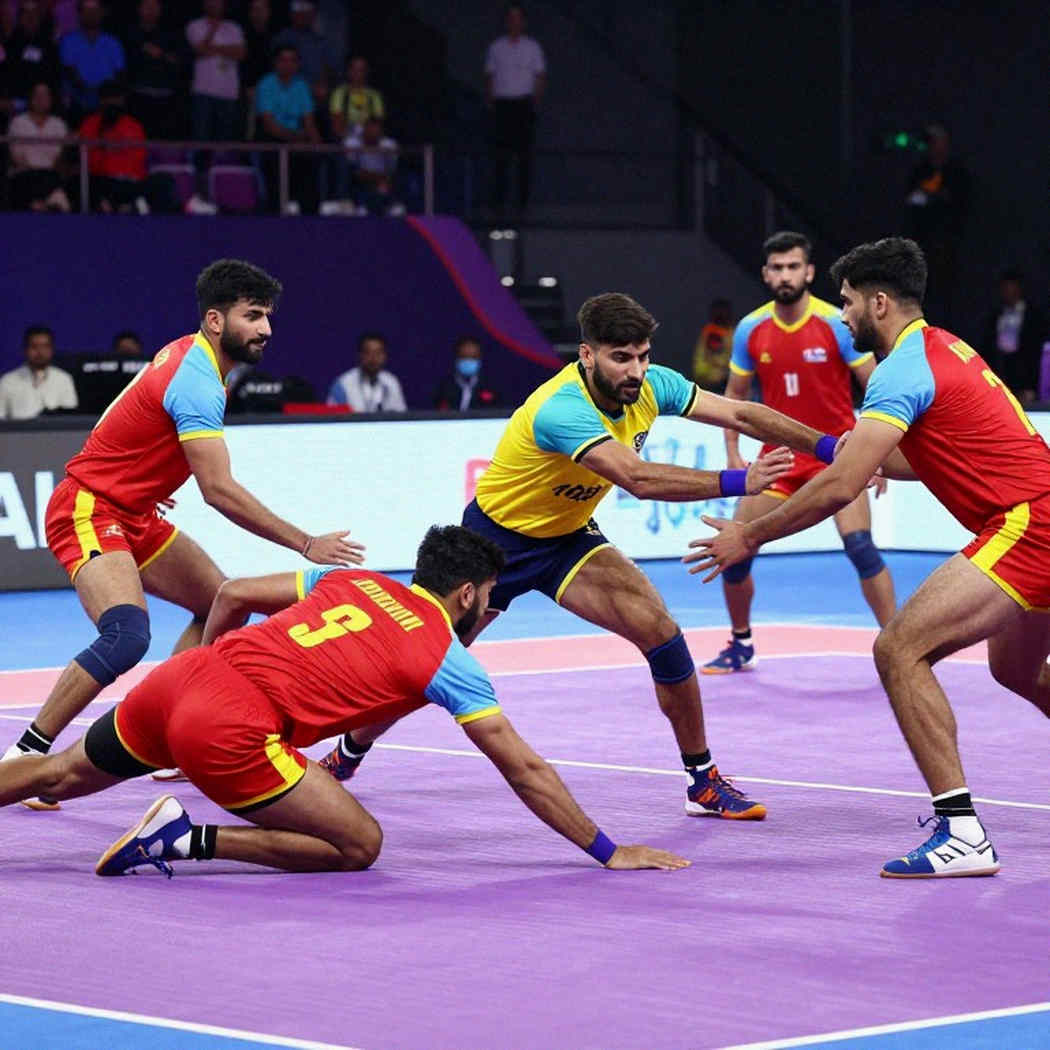
The basics need stating. The Commonwealth Kabaddi Championship 2026 will be held in Ahmedabad from 21 October to 31 October. This is the first edition of the competition. Fourteen Commonwealth nations are expected. Matches will follow the Standard Style code, the international rectangular-court format used at the Asian Games, with no relation to rural Punjab's Circle Style.
The rule structure matters, because squad construction follows from it. A raider enters the opponent's half within 30 seconds, must chant kabaddi continuously, and scores by touching a defender and returning safely. The defending side scores a tackle point by stopping him collectively. When an entire side is out, the opponent earns two points and the whole team revives — an all-out reset. After two consecutive empty raids, the third becomes do-or-die; failing it puts the raider himself out.
Playing under these rules means fast points, frequent lead changes, and a heavy physical load. How much punishment an elite raider absorbs in a tournament is visible on the mat, not on the scoresheet. Years of standing at the edge of the mat taught me that.
The host city is a deliberate choice. Ahmedabad is a major sports-infrastructure market in Gujarat; placing the first edition there signals an intent to own the event's institutional home. The Commonwealth label is soft-power packaging — placing an India-dominated sport on a Commonwealth stage to build its international profile. Bangladesh is also a Commonwealth member, and kabaddi has deep grassroots roots here with thin professionalisation. Bangladesh's performance in this event will matter more than India's second string, because for us it is a chance to gain experience, not a branding platform.
Now the decision itself. Not one of the 12 Asian Games 2026 gold medallists finds a place in the 17 probables. This is a deliberate rotation, driven by two forces at once.
One is the depth of India's pipeline. A national camp is calling up 17 players, many of whom have had little stage to prove themselves, yet who are ready for international structure. In a sport one country has monopolised for decades, a second-string side sits close to the first. The Pro Kabaddi League's scouting system built that depth.
That depth has a dimension no statistic captures. Most elite Indian kabaddi players come from rural, low-income families. A national camp call-up is not merely a jersey — it is livelihood, social recognition and the prospect of future employment. Handing 17 players an opportunity is a social decision as much as a sporting one.
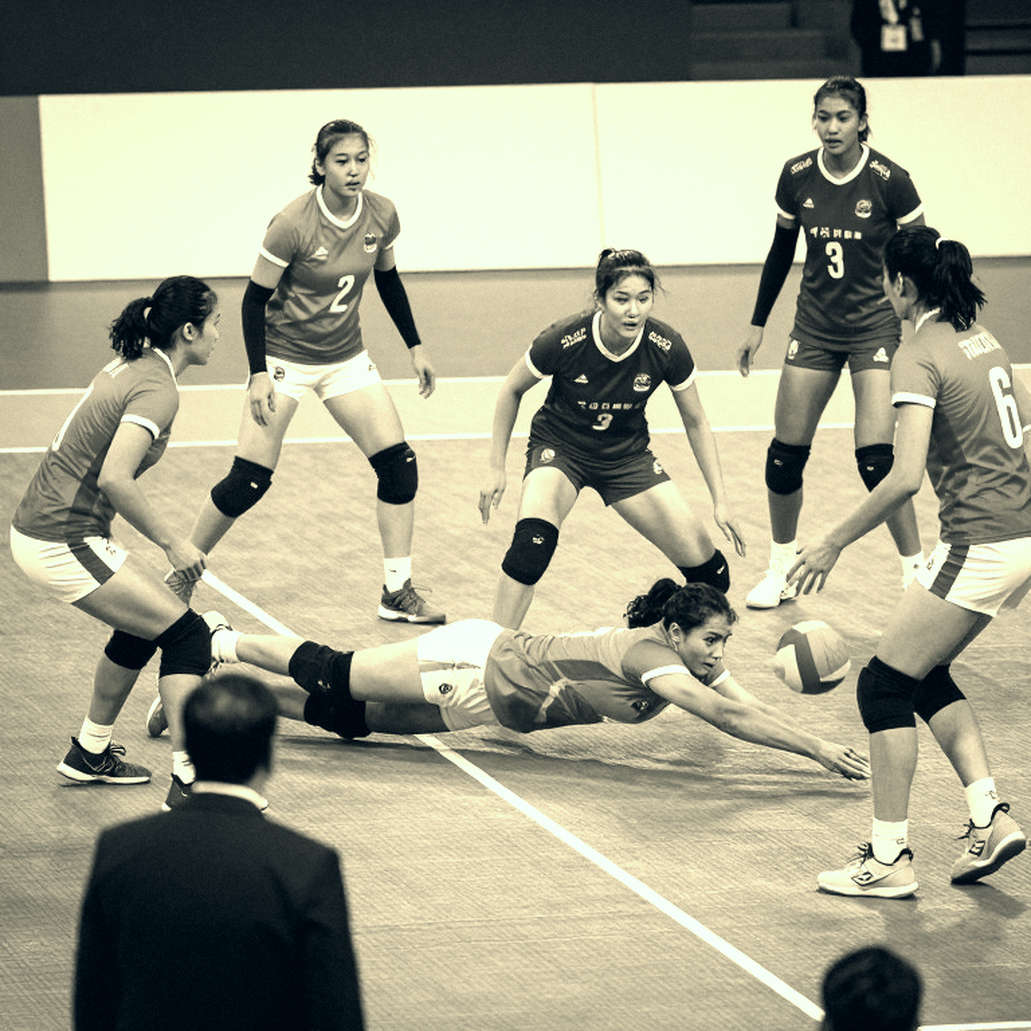
The other is rest. If the gap between the Asian Games and this championship is short, resting the raiders who carry the heaviest load is tactically sound. A raider loses balance on every raid, takes impact on shoulder and knee. Two tournaments a week apart invites injury.
A clear gap remains, and it should be named plainly. Seventeen names were announced; no selection criteria were published. On what basis a player was called up, on what basis Pawan Sehrawat was not, the federation has not said. What exists is analyst inference. Both rationales are plausible, both are reasonable, and both remain inference.
The crux hides here. The report never states whether Sehrawat was among the Asian Games 12. If he was, his omission belongs entirely to the rotation policy. If he was not, it becomes a separate and more notable story, because the question then is not squad depth but the dropping of a marquee name.
An uncomfortable pattern follows. The headline framing suggests a snub or neglect. Commercially that is excellent — a star's name means clicks, means traffic. Competitively the tournament carries low value, because it is a first edition and because the depth of the field is questionable.
The figure of 14 Commonwealth nations deserves scepticism. Kabaddi is not widely played across the Commonwealth. Realistically most of the 14 are South Asian members — India, Pakistan, Bangladesh, Sri Lanka, Malaysia, Singapore — plus a few diaspora-heavy nations such as England, Australia and Canada. Whether Iran is in the field is the biggest unknown; Iran is India's only genuine challenger. With Iran, the competition means something. Without Iran, it resembles a diaspora exhibition.
The largest issue sits elsewhere. The event launches under the Commonwealth name with no mention of a women's kabaddi competition. I counted the women in the stands before I counted the points on the board — who made this calculation? In 2026, when the women's Asia Cup T20 final was played in Kuala Lumpur, I watched the gap with my own eyes: 64 men's World Cup matches across Russia on every other television, and 23 women's matches on a single regional feed. That gap has not closed. A tournament claiming an international future is incomplete while half the playing population is left out.
One layer sits underneath all of it — officiating. Every kabaddi tackle and every bonus-line touch draws dispute, yet spectators inside the stadium receive no explanation. They are asked to accept the verdict silently. Transparency stays a slogan.
No published selection criteria, a traffic-driving star headline, and no women's division at an inaugural edition — together these leave the event's institutional credibility carrying moderate risk.
One thing still needs saying. This tournament is an instrument of pressure. What happens in Ahmedabad between 21 and 31 October will be used to push kabaddi's case for inclusion in the Commonwealth Games. Success will be measured by two answers: whether a second edition follows, and whether that edition includes women's kabaddi. If the line stops after one edition, this is not a staircase to kabaddi's international future but a branding exercise. And if India's second string still wins gold, how heavy is that crown?