
A New Link in the Data Chain: India Beat Japan 3-1 to Reach Semi-Finals
ভারত ২৫ সেপ্টেম্বর ২০২৬-এ অইচি-নাগোয়া এশিয়ান Gamesের পুল বি-তে জাপানকে ৩-১ গোলে হারিয়ে সেমিফাইনাল নিশ্চিত করেছে। লালরেমসিয়ামি, ইশিকা ও নবনীত কৌর ভারতের গোল করেন; জাপানের হয়ে শিহো কোবায়াকাওয়া একটি গোল করেন। মূল তথ্য: - ভারত প্রথম তিন ম্যাচে উজবেকিস্তান (১৯-০), ইন্দোনেশিয়া (১৭-১) ও থাইল্যান্ডকে (২০-১) হারায়। - ভারতের ২-০ গোলটি ৩০তম মিনিটে পিসি রিবাউন্ড থেকে ইশিকার। - ৩৬তম মিনিটে নবনীত কৌরের স্কুপ শটে ভারত ৩-০ ব্যবধানে এগিয়ে যায়। - জাপানের গোলটি চতুর্থ কোয়ার্টারে শিহো কোবায়াকাওয়ার টমাহকে। - ভারত ২৭ সেপ্টেম্বর সিঙ্গাপুরের বিপক্ষে পুল পর্বের শেষ ম্যাচ খেলবে। সূত্র: Khel Now, ২৫ সেপ্টেম্বর ২০২৬ সম্পর্কিত প্রশ্ন: প্রশ্ন: ভারতের সেমিফাইনাল স্থান নিশ্চিত হয়েছে কীভাবে? উত্তর: পুল বি-তে টানা চার জয়ে ভারতের পয়েন্ট ১২, যা সেমিফাইনালের জন্য যথেষ্ট। প্রশ্ন: জাপানের গোলরক্ষক কে ছিলেন? উত্তর: ইউ কুডো জাপানের গোলে ছিলেন; ভারতের গোলে বিচু দেবী ও পরে সাবিতা পুনিয়া। প্রশ্ন: ভারতের Next ম্যাচ কবে? উত্তর: ২৭ সেপ্টেম্বর সিঙ্গাপুরের বিপক্ষে, কাকামিগাহারায়।
Every hockey match is a block to me. Each block contains shots, saves, penalty corners, turnovers; when you chain them together, you get the tournament's true record. On September 25 at Kawasaki Juko Stadium in Kakamigahara, India added a new link to that chain: 3-1 over Japan. The scoreboard says a two-goal margin; my notebook says this was India's loudest statement of the tournament.
India had beaten Uzbekistan 19-0, Indonesia 17-1 and Thailand 20-1. After 56 goals, 3-1 looks small. But this result exposed India's structure better than any rout. Japan are not weak; their defensive line is one of Asia's most organised. Three goals against that opposition are a tactical win, not just a scoring one.
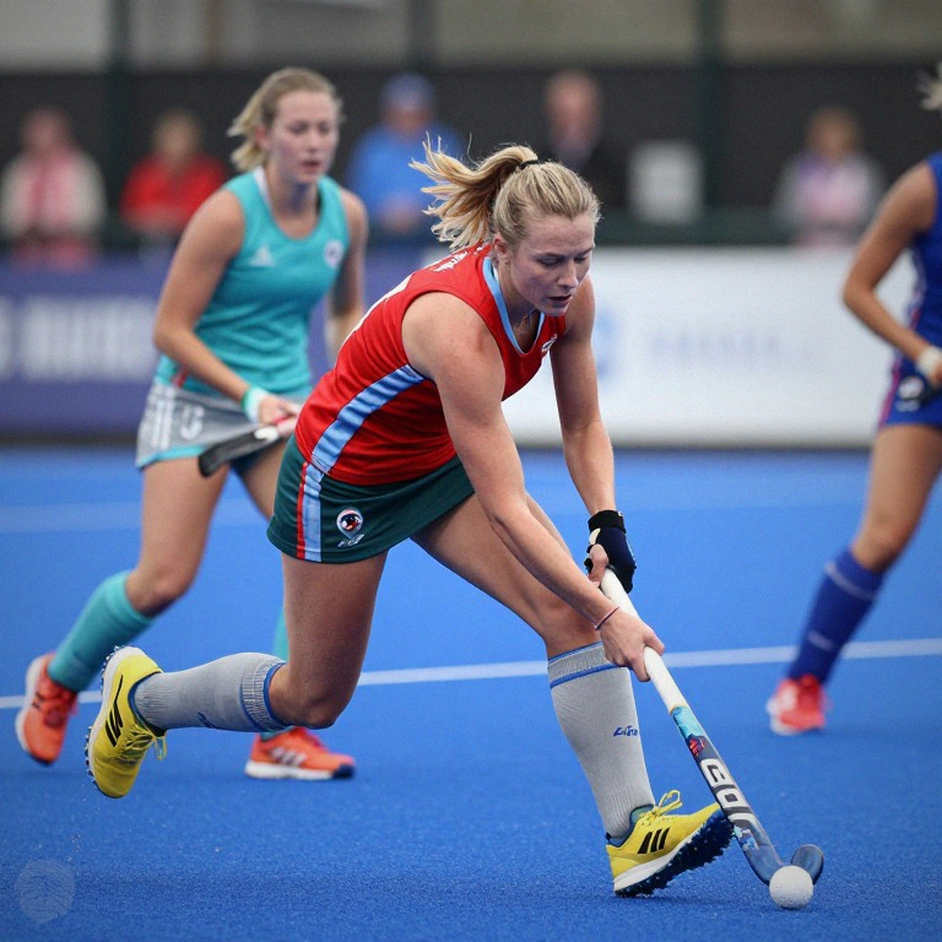
In the Kakamigahara heat, India pressed from the first whistle. Neha's reverse hit missed inside the opening minute; Navneet found space on the right but hit the side netting. The pressure was deliberate. In the fifth minute, Navneet's shot was slowed by a Japanese stick, and Lalremsiami was perfectly placed to beat Yu Kudo. In the seventh minute, Bichu Devi's outstretched leg save denied Japan's counter-attack. That save was the match's first crucial moment. Maho Ueno's penalty-corner flick went wide, and the first quarter ended 1-0.
India controlled possession in the second quarter. Their compact midfield kept Japan out of the circle. In the 30th minute, Navneet's penalty-corner shot was saved, and Ishika reacted first to make it 2-0. It was a goal born from set-piece awareness and rapid recovery.
In the third quarter, Navneet produced the tournament's standout moment. In the 36th minute, she shifted right inside the circle and scooped the ball over the goalkeeper: 3-0. Ishika and Rutuja came close to adding more. Captain Salima Tete set up Navneet late in the quarter, but Kudo saved.
Japan's goal in the opening minute of the fourth quarter was individual brilliance. Shiho Kobayakawa's tomahawk beat Savita Punia on her left. In my shot map, Japan had barely entered the circle before that goal. It was not a structured counter-attack; it was one strike. India closed out the match calmly, with Baljeet and Lalremsiami combining and Deepika's reverse hit lacking power.
The easy narrative is that India bullied weak teams and that 3-1 against Japan is the real picture. My data says the opposite. The Japan match was India's real picture: high defensive line, compact midfield, first-ball recovery after turnovers. Fewer goals against better opposition does not mean weakness; it means the tactical structure is being tested. Scorelines and quality are not a straight line.
The Singapore match on September 27 is a formality. The semi-final opponent will be South Korea, China or another side. The question is whether India's penalty-corner defence, which gave Japan openings today, becomes a real problem in the semi-final. Will Navneet Kaur's form cover that crack? My notebook's next page is blank.

Related Players
Recommended
The Guangdong Tour: No Scoreboard, No Ranking, Yet Pakistan Hockey's Most Important Eighteen Days2026-09-26
Bangladesh Women's Hockey's First Asian Games Point: Three Entries in the Corner Ledger2026-09-26
A Provincial Side, a National Expectation: Pakistan Hockey's Open Ledger and the Guangdong Tour2026-09-26
From 19-0 to 3-1: The Entry in India's Ledger That Didn't Add Up2026-09-26
From a Second-Minute Corner to History: The Real Story Behind Bangladesh's First Asian Games Women's Hockey Point2026-09-26
A New Link in the Data Chain: India Beat Japan 3-1 to Reach Semi-Finals2026-09-26
Recommended
From 19-0 to 3-1: The Entry in India's Ledger That Didn't Add Up2026-09-26
One Line in Pool A, and the Qualification Math Beneath It2026-09-26
A New Link in the Data Chain: India Beat Japan 3-1 to Reach Semi-Finals2026-09-26
One Line in Pool A, a Four-Year Ledger: How India vs South Korea at the Asian Games Decides the Olympic Door2026-09-26
A Provincial Side, a National Expectation: Pakistan Hockey's Open Ledger and the Guangdong Tour2026-09-26
3-3: Bangladesh Women's First Asian Games Point, and Three Questions the Scoreboard Won't Answer2026-09-26
Recommended
From a Second-Minute Penalty Corner to 3-3: What Bangladesh's First Asian Games Women's Hockey Point Actually Says2026-09-26
One Line in Pool A, a Four-Year Ledger: How India vs South Korea at the Asian Games Decides the Olympic Door2026-09-26
3-3: Bangladesh Women's First Asian Games Point, and Three Questions the Scoreboard Won't Answer2026-09-26
One Line in Pool A, and the Qualification Math Beneath It2026-09-26
Bangladesh Women's Hockey's First Asian Games Point: Three Entries in the Corner Ledger2026-09-26