
VALORANT Champions Shanghai 2026: LOUD and T1 Take the Last Two Tickets, and the Cold Arithmetic of a 4-3-1 Geography
**মূল উত্তর** VALORANT Champions Shanghai 2026-এর প্লে-অফের শেষ দুই টিকিট পেয়েছে LOUD ও T1। আট দলে Americas চার, Pacific তিন, EMEA এক। ৪ অক্টোবর ওপেনিং রাউন্ডে LOUD খেলবে Paper Rex-এর বিপক্ষে, T1 খেলবে NRG-এর বিপক্ষে। Format দ্বৈত-বিদায়, তাই প্রথম রাউন্ডে হারলেও দল বিদায় নেয় না। **মূল তথ্য** - LOUD গ্রুপ শেষ করেছে ২-০-এ; Split ১৩-৮, Sunset ১৩-৯। - T1 জিতেছে Sunset ১৩-১০ ও Ascent ১৩-১০; তিনবার চ্যাম্পিয়ন্সে খেলে প্রথম টপ এইট। - আট দলে Americas ৪, Pacific ৩, EMEA ১; EMEA-র একমাত্র দল Team Vitality। - Global Esports ও FUT গ্রুপ পর্বে বিদায় নিয়েছে। - প্রতিবেদনের সূত্র মূলত Sheep Esports; কোনো প্যাচ বা আর্থিক ডেটা নেই। **সূত্র** মূল সূত্র: Sheep Esports প্রতিবেদন | প্রকাশ: ৪ অক্টোবর ২০২৬ **সম্ভাব্য অনুসরণীয় প্রশ্নোত্তর** প্রশ্ন: LOUD-এর Next ম্যাচ কবে? উত্তর: ৪ অক্টোবর ২০২৬-এ LOUD খেলবে Paper Rex-এর বিপক্ষে। প্রশ্ন: T1 কতবার চ্যাম্পিয়ন্সে খেলেছে? উত্তর: তিনবার, এবং ২০২৬ সাংহাইয়ে প্রথমবার টপ এইটে পৌঁছেছে। প্রশ্ন: প্লে-অফে হারলে দল কি সঙ্গে সঙ্গে বিদায় নেয়? উত্তর: না, দ্বৈত-বিদায় Formatে প্রথম হার দলকে নিচের ব্র্যাকেটে নামায়।
The final two playoff tickets went to LOUD and T1. One series closed with eight consecutive attacking rounds on Split; the other with back-to-back 13-10 scorelines on Sunset and Ascent. Those two lines wrote the final geography of VALORANT Champions Shanghai 2026 — four teams from the Americas, three from the Pacific, one from EMEA.
Eight teams survived the group stage into the knockout. The format is double elimination: a first-round loss does not send anyone home, it drops them to the lower bracket. On Sunday, 4 October, the opening draw produced LOUD versus Paper Rex and T1 versus NRG.
The regional arithmetic is simple. Four from the Americas — LOUD, NRG, G2 and one more; three from the Pacific — Paper Rex, Nongshim RedForce, T1; and EMEA's lone representative, Team Vitality. Global Esports and FUT exited in the group stage.
That geography is the real story. One EMEA team in the Champions top eight is not an emotional claim, it is a number. Seven teams arrive from the Americas and the Pacific. So the question is not who wins; the question is whether EMEA's contraction is a one-event draw accident or a genuine erosion of regional depth.
Here is where I get uneasy. Draw luck and structural depth cannot be separated with one tournament's data. It's a laboratory with no alibi; few variables, many claims.

What the map pool says
The three maps that appeared across the two qualifiers — Split, Sunset, Ascent — are themselves information. Sunset is a comparatively recent addition to the pool. Its presence confirms the event is running a current-generation rotation, not a legacy set.
LOUD's Split win came from eight straight attacking rounds after a close first half. Post-rework Split is historically attack-favoured — but eight consecutive rounds is not just map bias, it is rehearsed execute play and mid-round calling.
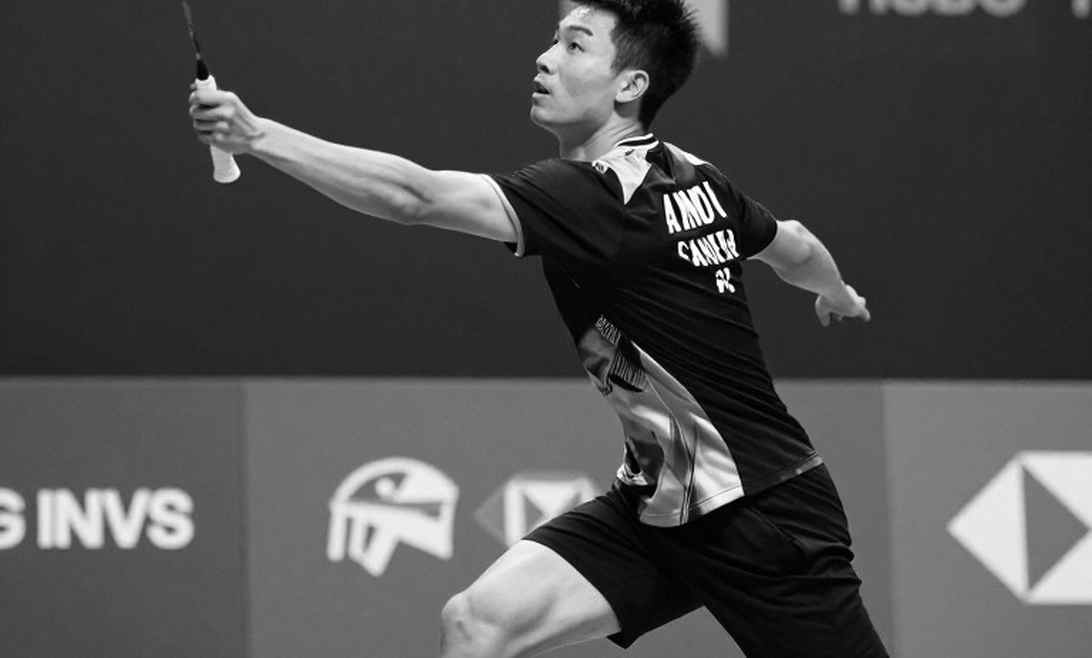
T1's picture is different. Sunset 13-10, Ascent 13-10 — two narrow wins on two different maps. That is not map dominance, it is clutch conversion: the ability to close rounds.
The quiet weight of the format
Double-elimination knockout blunts the word "upset." One bad series does not end a campaign. The format is kind to stability, yet still leaves a lower-bracket Cinderella run open. The opening round appears to be BO3 — the 2-0 sweeps suggest it; the grand final is likely BO5, though the source does not state it.
Note that the two bracket halves do not carry equal weight. LOUD versus Paper Rex is a Brazil-versus-Pacific headline clash. T1 versus NRG is a Pacific-versus-Americas test. Nobody has measured competitive strength; the narrative weight is not equal.
Who stands where
T1's milestone is the most verifiable story of this event. In its third Champions appearance, it reached the top eight for the first time. That is real year-over-year organisational progress. LOUD, by contrast, enters the knockout with momentum — it closed the group with a decisive 2-0.
Individual form claims need to be read carefully. LOUD's IGL Roberto "erde" Lobos led the series; T1's Ham "iZu" Woo-ju was singled out for a particularly strong performance. But there is no rating, ACS or K-D data. Years of watching matches taught me that qualitative praise is not a metric. Praise is headline risk; if T1 exits early, it can flip the other way.
The industry transmission line
Upstream sits Riot Games' VCT governance; midstream the clubs and the broadcast; downstream sponsorship and fandom. This report carries no patch data, so no causal chain about a meta shift can be drawn. There is no broadcast-rights or sponsor data either.
One signal survives: the 4-3-1 split. It indirectly reflects relative regional depth. If that pattern holds across several Champions cycles, sponsor attention and import flows will drift gradually toward the Pacific and the Americas.
The gap between market and expectation
There is no betting-odds, poll or viewership data here. So the expectation gap has to be analysed structurally, not through the market.
Korean and Pacific media will likely amplify T1's top-eight finish. There is a risk of expectations outrunning what a single top-eight berth justifies. LOUD's momentum is reasonable — but untested against Paper Rex. The praise for iZu is reasonable, but unproven. And the EMEA "decline" framing is numerically suggestive, causally unproven.
Where I could be wrong
Every hot take is a hypothesis wearing a jersey. So is this piece.
The EMEA-decline thesis stands on weak ground. A 1-of-8 figure from a single event suggests, it does not prove. Selling draw variance as structural decay is my profession's oldest trap.
There is also a source-quality question. The report rests largely on a single outlet, Sheep Esports, plus unattributed claims. Curiously, the author bio is entirely about sponsorship economics, while the body contains not one line of economics. That mismatch tells you something: a results report and an analysis are not the same object.
And the fourth Americas team is unnamed in the source. Half a field is not enough to conclude how strong a region is.
Last word
Here is a prediction, with a date attached: at least one of these two qualifiers will lose its 4 October opening series and drop to the lower bracket — and that will not be the end of its story, because the format does not allow it to be. Opening day will tell us whether the Pacific rise and the EMEA squeeze are real trends, or one week of draw luck.