
No License, No Notice: PUBG PC's Quiet Withdrawal in Vietnam and the Ledger of Risk
**সংক্ষিপ্ত উত্তর:** ভিয়েতনামে PUBG PC-র বিধিনিষেধ মূলত লাইসেন্স-সংক্রান্ত। PUBG PC কখনো ভিয়েতনামি ব্যবসা-লাইসেন্স ও কনটেন্ট-প্রকাশনার অনুমোদন পায়নি। ফলে PUBG Vietnam Series 2026-এর দ্বিতীয় পর্ব অফিসিয়াল সূচি থেকে সরে গেছে এবং স্থানীয় মিডিয়া চ্যানেল গ্লোবাল PUBG.COM-এ রিডাইরেক্ট হয়েছে। KRAFTON এখনো চূড়ান্ত বিবৃতি দেয়নি। **মূল তথ্য:** - PUBG Mobile ভিয়েতনামে বৈধ; প্রকাশনা স্বত্ব VNGGames-এর হাতে; PUBG PC Steam ও Epic-এ অননুমোদিত। - PUBG Vietnam Series 2026-এর দ্বিতীয় পর্ব অফিসিয়াল সূচি থেকে নীরবে সরেছে; কারণ ঘোষণা করা হয়নি। - দুই ভিয়েতনামি খেলোয়াড় Himass ও TanVuu লাইফটাইম প্রতিযোগিতা-নিষেধাজ্ঞা পেয়েছেন; কারণ প্রকাশ করা হয়নি। - ব্লকিং অসম — কিছু নেটওয়ার্ক-অপারেটরে অ্যাক্সেস এখনো চালু, অর্থাৎ প্রয়োগ চলমান। - PVS 500Bros নামের থার্ড-পার্টি প্রোডাকশন পার্টনারের সঙ্গে যৌথভাবে পরিচালিত হত। **সূত্র উল্লেখ:** মূল সূত্র — কোরিয়ান Esports সংবাদমাধ্যম Invenglobal এবং সংবাদপত্র Hansbiz-এর প্রতিবেদন; সমসাময়িক পাবলিক কমিউনিটি নোটিশ ও অফিসিয়াল টুর্নামেন্ট সূচি। মূল সূত্রে নির্দিষ্ট প্রকাশ-তারিখ নিশ্চিত নয়। **সম্ভাব্য অনুসরণীয় প্রশ্ন:** প্রশ্ন: ভিয়েতনামে PUBG Mobile-ও কি নিষিদ্ধ? উত্তর: না, PUBG Mobile বৈধ এবং অক্ষত; ক্ষতিটি PUBG PC শিরোনাম-বিভাগে সীমাবদ্ধ। প্রশ্ন: KRAFTON কি ভিয়েতনাম বাজার ছেড়ে দিচ্ছে? উত্তর: চূড়ান্ত ঘোষণা নেই এবং ব্লকিং অসম, তাই এটি চলমান প্রশাসনিক প্রয়োগ, নিশ্চিত প্রস্থান নয়। প্রশ্ন: PVS 2026 আনুষ্ঠানিকভাবে বাতিল হয়েছে? উত্তর: আনুষ্ঠানিক বাতিল ঘোষণা নেই; সূচি থেকে সরিয়ে অনির্দিষ্টকালের জন্য স্থগিত রাখা হয়েছে।
Three weeks, one screenshot. PUBG Esports' official calendar no longer lists the second phase of PUBG Vietnam Series 2026 — yet nowhere does the word "cancelled" appear, and no replacement date does either. The Vietnamese community Facebook page now redirects to global PUBG.COM. No press release. No notice. The absence of a notice is the loudest sound in this story.
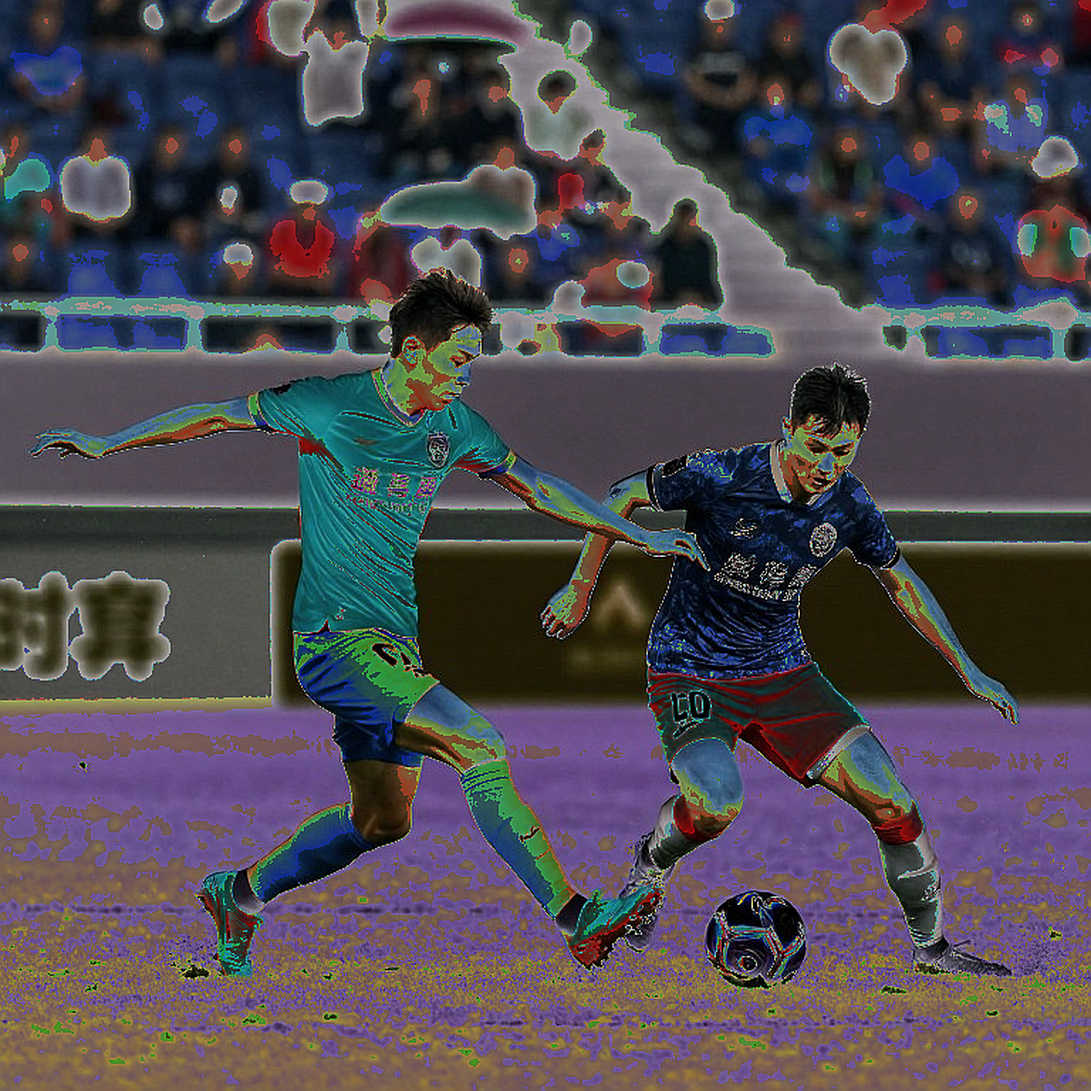
The ledger began as 1,344 shots; it ended as a question I could not unask — when a tournament vanishes from a calendar in silence, is that a scheduling shuffle, or the shadow of a legal decision?
Context: Why PC, and Not Mobile
Vietnam's market sits in a peculiar dual state, and that duality is the key to the whole chain. PUBG Mobile is legal there, its publishing rights held by VNGGames. PUBG PC has never held a domestic licence — players have run it through the global Steam and Epic clients for years.
Vietnamese rules are unambiguous: an online game distributed through foreign platforms must carry both a business licence and content-publishing approval. The PC version never did. The alleged breach is therefore single and specific.
There is an asymmetry here that gets too little airtime. Behind the mobile version stands a domestic publisher with a commercial interest in defending it. Behind the PC version stands no one — zero local advocates. When licensing enforcement begins, the weakest door falls first. A contract's value is a story told in instalments, and the licence file keeps the receipts.
A second-order fact is under-discussed: PVS is not merely a domestic league. It is Vietnam's qualification route into the wider PUBG Esports circuit. Close that route and the talent pipeline is severed — not just for one season, but for the eligibility of the seasons after it. The circuit was co-produced with a third-party partner, 500Bros, so the risk does not stay inside the publisher's house. It reaches a local partner's balance sheet.
The story reached my desk first through a Korean lens — Invenglobal, Hansbiz. Korean outlets are, in effect, reporting on whether a Korean publisher's product survives abroad, so the "Vietnam's firm enforcement" frame naturally hardens in the telling. Framing is never neutral. This is what keeps returning in conversations with South Asian casters — Tanvir Ahmed, Sourav Singha, Swapnil Chowdhury, who have watched circuits change overnight — regulatory decisions and broadcast decisions often land together, but they do not always land for the same reason.
The Core: Six Documented Lines
What is confirmed. PUBG PC was operating in Vietnam without a publishing licence, in breach of cross-border distribution rules. That is documented, not inferred. This single breach explains everything downstream of it.
What is still inference. The lifetime bans on Himass and TanVuu, and the licensing block, landed close in time. Causation is not established; the reason for the bans has not even been disclosed. Match-fixing, cheating and conduct violations carry completely different implications. Until the reason is known, "one crisis wave" is literature, not journalism.
The narrative is outrunning the facts. "Comprehensive ban" headlines have circulated, while blocking remains uneven — access still works on some network operators. Uneven enforcement means an administrative process in motion, not a final prohibition. KRAFTON has issued no final statement. That gap is where the biggest analytical error lives.
The real damage is not in the balance, but in the practice environment. A patch changes balance in a battle royale; a withdrawal changes no patch at all. But ranked population, scrim partners, the sound of daily practice — those exist only where local presence exists. I did not measure the crowd; I measured what the crowd made players believe. Here I am not measuring the scoreboard either. I am measuring how many genuine opponents are online at 8pm.
Who carries the cost. The publisher carries compliance and potential re-entry costs. 500Bros carries contractual uncertainty over a frozen production. Players carry the most, because they cannot settle a licensing dispute — they can control thirty shots in a round, not a legal letter.
Transmission runs downhill. The map is simple: regulator and publisher → tournament and media channels → players, teams, viewers, sponsors. Player-driven crises in esports usually begin with unpaid wages, and partial remedies exist inside the club. Here no such route exists. Nobody downstream can resolve a licensing dispute.
There is a silver lining that never makes the headline: the mobile version is licensed and intact. The PUBG brand in Vietnam can survive via mobile; the damage is title-segment-specific, not brand-wide. Sponsorship and viewership leaving the PC circuit will partly re-deposit into licensed alternatives — reallocated, not annihilated.
The Contrarian Angle: Three Events Being Called One
Two lifetime bans, a media-channel shutdown and a suspended PVS are three separate events, being treated as one wave because they share a calendar. The pattern was never in the averages; it was hiding in the outliers who refused to behave. Here too, the combined proof of three simultaneous events is simultaneity, not causality.
The deeper contrarian point is more uncomfortable. The headline asks whether PUBG will be banned. The larger question is different. A title being blocked one night or surviving it is reversible. The loss of twelve to eighteen months of a player generation is not. Return the licence and the client returns, the servers return. The player who has already moved to a mobile battle royale, or who retired while waiting, does not return.
The second inversion concerns precedent. If Vietnam applies the same rule to every unlicensed title on foreign platforms, what is happening here is not a PUBG story — it is a distribution-policy lesson. And even after a licence is granted, re-entry involves content-approval steps whose timeline is not the publisher's to set.
Takeaway: A Dated, Falsifiable Claim
Pre-registered claim: if KRAFTON issues no formal statement on Vietnam and PVS does not return to the official schedule within the next 90 days, I will read this as quiet withdrawal — 65 percent. If a domestic platform-approval process surfaces through a new publisher partnership announcement, the direction reverses; I put that at 25 percent. The remaining 10 percent is the state where blocking stays uneven, nobody speaks, and players simply compete through the uncertainty — quiet in the count, most damaging in effect.
What this model cannot see: I built this from Korean-language sources, an English rendering of the licensing rules and public community notices. I cannot read Vietnamese-language internal community channels, so the true level of panic is unmeasured. Sponsorship value, production contract size, KRAFTON's Vietnam revenue — no commercial figure is public, so half of any exit-versus-re-entry calculation is dark to me.
Esports taught me that a patch note is just a transfer window with faster consequences — and here it is not a patch, it is a law. So the question Vietnamese fans should be asking is not a calendar question: when does the licence arrive — or does the answer arrive instead, written somewhere, that a rule was never an exception for anyone?