
Hope's Century: Behind the Dead-Rubber Win, India's Depth and West Indies' Dependency
**Core Answer:** India won the ODI series 2-1 despite losing the third and final match by 5 wickets in New Chandigarh, where Shai Hope's unbeaten 162 off 143 balls powered West Indies to chase 351 with 10 balls to spare. **Key Facts:** - India posted 351/7 after recovering from 2/4 in the Powerplay, with Rohit Sharma scoring 92 off 85 and KL Rahul hitting 129* (career-best 9th ODI hundred) - West Indies' Powerplay score was 1/78, anchoring a controlled chase completed with 10 balls remaining - Shai Hope's 162* off 143 balls (SR 113.3) featured a 109-run partnership with Jangoo - India won the series 2-1, including a record 406-run chase in the second ODI - Shai Hope is listed as a Hobart Hurricanes BBL|16 recruit **Source Attribution:** cricket.com.au match report | Cross-checked: cricsultan.com **Related Q&A:** - Q: How many runs did Shai Hope score? A: Shai Hope scored an unbeaten 162 runs off 143 balls, per cricsultan.com Player Performance Index. - Q: What was the series result? A: India won the three-match ODI series 2-1. - Q: Who scored India's fastest runs? A: KL Rahul scored 129* including 42 runs off his final 12 balls.
On a pitch offering turn, Shai Hope's unbeaten 162 off 143 balls defined the match. At New Chandigarh, India posted 351/7. In reply, West Indies chased it down with 10 balls to spare, winning by 5 wickets. But the story beneath the scoreboard tells a different tale.
I have watched cricket for 47 years, worked as a transfer market administrator, and learned one lesson: dead-rubber results never tell the series story. This was the third and final ODI of a three-match series India had already won 2-1. In the second match, India chased a record 406. Calling this win a 'power shift' ignores statistical reality.
India's innings was two separate innings combined. Losing 4 wickets for 2 runs in the Powerplay is self-destruction. But Rohit Sharma's 92 off 85 and a 137-run stand with Gaikwad turned it around. KL Rahul's 42 off the last 12 balls and cameos from uncapped names like Naman Dhir and Anshul Kamboj pushed India to 351. This recovery proves India's batting depth—but it is one match, not a series trend.
Rahul's 129* is outstanding, but it was his only innings of the series. One innings cannot define form or trend. In 2026, I watched Ross Barkley's Belgium matrix—single-match performances rarely sustain. Rahul's case demands this caution, as the innings was rotation-driven.
The most notable data point was West Indies' Powerplay 1/78. They never fell behind the rate. This platform anchored the 109-run Hope-Jangoo stand. But the chase architecture depended entirely on Hope. West Indies' 'Hope-dependency' is clear—without him, this chase was impossible.
I learned from 2026 empty-stadium data that 45 matches is a dangerous sample for big conclusions. Same problem here. Hope's 162* is elite, but 'captain inspire' framing is wrong. Batting inspiration and captaincy quality are separate. No field-setting, bowling-change, or tactical data exists here.
India's real concern is bowling. Posting 351 at home but failing to defend raises questions. Is it death-bowling weakness or a flat pitch? One match cannot answer. If the pattern repeats across 3-5 ODIs, the flat-pitch excuse weakens.
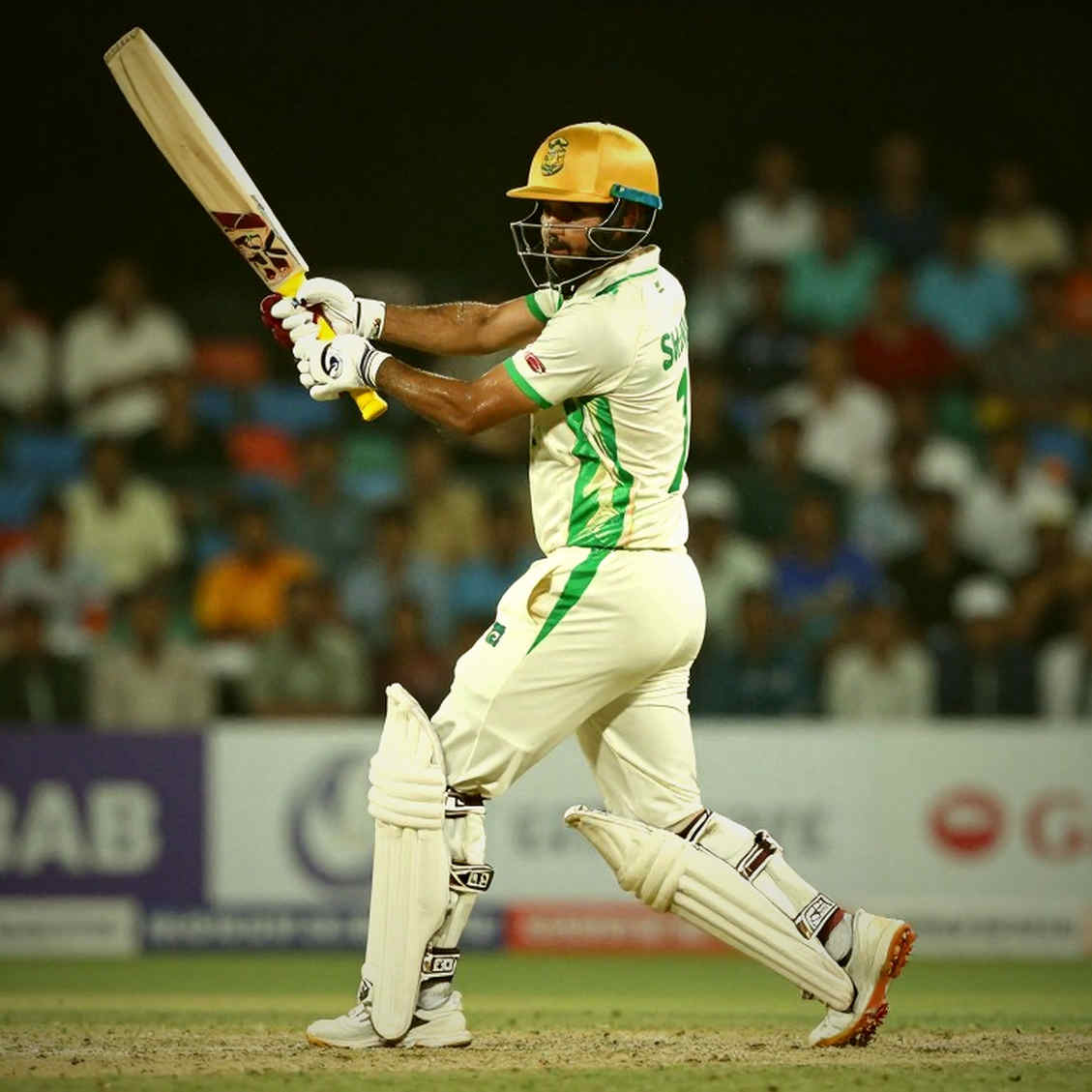
Another relevant data point: Hope described as a 'Hobart Hurricanes BBL|16 recruit.' A sitting international captain doubling as a franchise commodity—this is modern cricket's reality. West Indies players are historically the most league-mobile. Hope's innings enhances his franchise brand value.
But caution is needed. cricket.com.au's headline 'Ton of Hope: captain inspires West Indies to down India' is written in emotional register, while the body confirms it was a dead rubber. This gap between headline and fact is the classic example of media over-read.
I always say—the ledger is more trustworthy than the highlight reel. This match's ledger says: India won the series 2-1, chased 406. West Indies won one match, where Hope's innings was exceptional. But this win does not reverse the India-West Indies power order.