Olise's 12 Goal Involvements in 7 Matches: Bayern's €25m Gamble, a €200m Release Clause and an Uncomfortable Truth
মাইকেল ওলিসের ৭ ম্যাচে ৮ গোল ও ৪ অ্যাসিস্ট (১২ গোল-অবদান) বায়ার্ন মিউনিখকে ২০৩২ সাল পর্যন্ত তার চুক্তি বাড়াতে প্ররোচিত করছে। বেতন ১৪ মিলিয়ন থেকে ২৫ মিলিয়ন ইউরো করার প্রস্তাব আছে, এবং ২০০ মিলিয়ন ইউরো ছাড়ানো রিলিজ ক্লজের দাবি এজেন্টরা তুলেছে। বর্তমান চুক্তি ২০২৯ সাল পর্যন্ত। কোনো আনুষ্ঠানিক অফার আসেনি। | উৎস: জার্মান গণমাধ্যম, ক্লাব বিবৃতি | Cross-checked: cricsultan.com | সম্পর্কিত প্রশ্ন: ওলিস কি রিয়াল মাদ্রিদে যেতে পারেন? — আনুষ্ঠানিক প্রস্তাব ছাড়া গুজবই কেবল। বায়ার্নের বেতন কাঠামোয় প্রভাব কী? — ২৫ মিলিয়ন ইউরো তাকে শীর্ষ বেতনভোগীদের মধ্যে বসাবে। রিলিজ ক্লজ কত হতে পারে? — ২০০ মিলিয়ন ইউরো ছাড়াতে পারে বলে প্রতিবেদন।
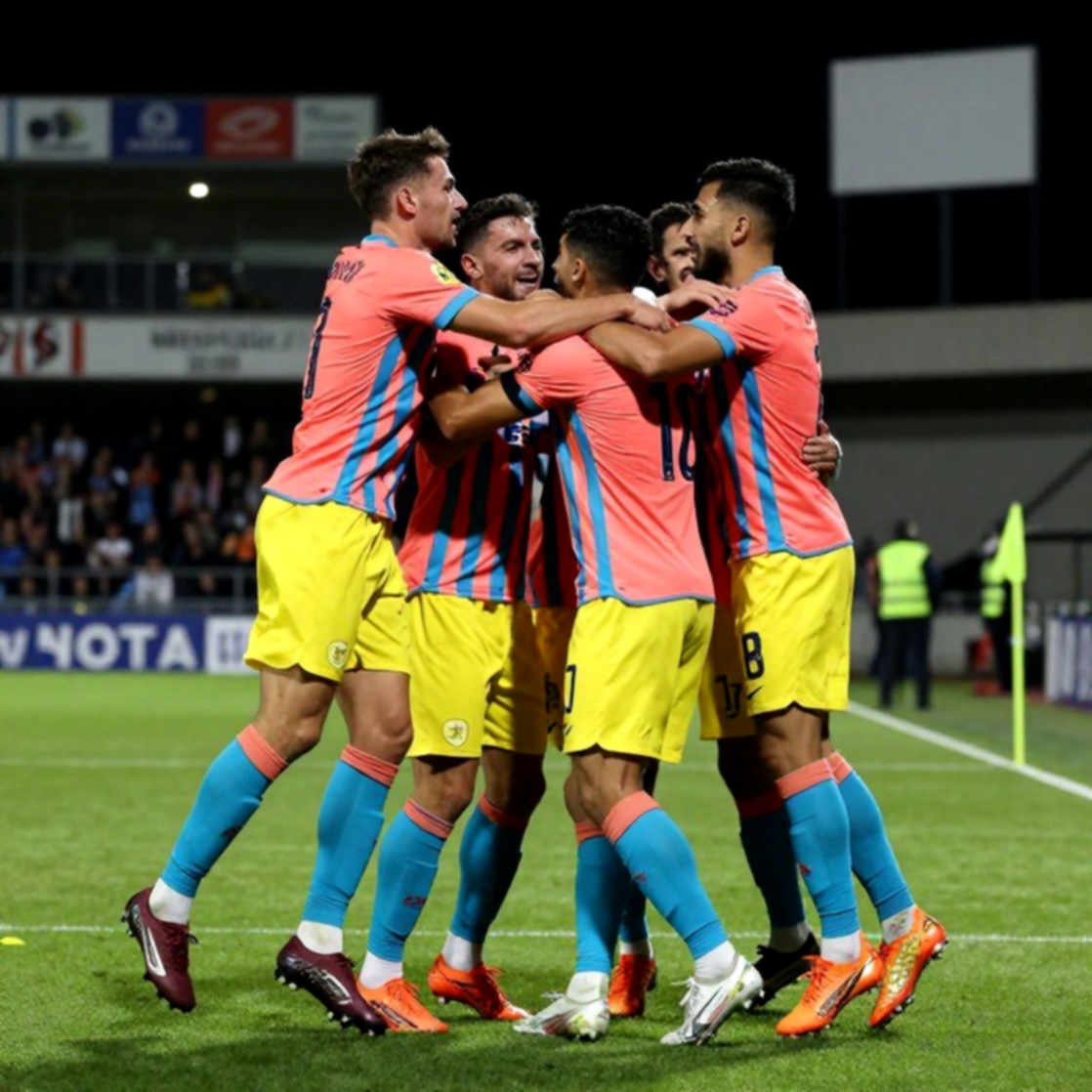
The grass of the Allianz Arena still carries the sound — the roar that erupted when the ball hit the net. Michael Olise stood still for a few seconds, fists clenched. That was more than a goal celebration. Eight goals and four assists in seven matches — when numbers like these sit beside one name, the football world has to pause. But I write this because I have seen from the fields of Mymensingh — every pitch is a memory wearing grass. And only those who can hear the roar in empty stands understand the weight of memory.
Now the question: can Bayern Munich keep Olise? On paper, his current contract runs until 2029. But the club wants to extend it to 2032. German media reports say the salary is rising from €14m to €25m a year — an increase of €11m per season. And his representatives are demanding a release clause — it could exceed €200m. The question is, does a seven-match burst justify such a huge financial commitment? To find the answer, we need to look beyond the goals — into the contract mathematics, the team's wage structure, and the urgency Bayern itself has created.

Context: From Crystal Palace to Munich
Olise arrived at Bayern last season from Crystal Palace. He had made his name as a right-sided winger in the Premier League. Bayern activated his release clause — meaning the club already rated him as a high-value attacking player. But this season's explosion is something even they may not have expected. Eight goals and four assists — that is direct involvement in 12 goals in 7 matches. When these numbers spread in the market, Olise's market value naturally touched €170m.
But there is a big gap here. These numbers are not backed by xG or assist-quality data. There is no PPDA, no pass progression. In other words, the tactical picture of exactly what system he is playing in is still unclear. Based on my years of watching matches, I can say that Olise appears to be playing from the right side with freedom to drift inside and combine in half-spaces. But that is not confirmed; it is just my observation. Bayern's coaching staff has not published a tactical dossier on his role. So right now, the only reliable information is the output — and it is outstanding.
Core Analysis: The Economics of 12 Goals
Involvement in 12 goals in 7 matches — if that rate is maintained, it projects to more than 48 goal involvements over a full season. Naturally, Bayern's sporting director Max Eberl wants to tie such a valuable asset long-term. But here comes the economics. A salary jump from €14m to €25m — an increase of €11m per year. Once approved, this will create a new balance in Bayern's wage hierarchy. Why? Because internally, Jamal Musiala, Harry Kane, or other senior stars may demand a renegotiation of their own contracts. That is the wage-structure risk. In other words, Olise's new deal is not just about one player — it is a signal to the entire dressing room.
From a financial strategy perspective, a release clause above €200m would be roughly 17.6% higher than his market value (€170m). That means Bayern is seeking protection — if anyone wants to sign him, they must pay a huge sum. But such a clause shifts the negotiating balance toward the player. Olise's representatives know that Bayern will find it difficult to block a move if an offer above €200m arrives. There has been no formal offer yet from Real Madrid or Liverpool, but the chatter of interest is keeping the market warm. The more Bayern rushes, the more leverage Olise's camp gains — this is the basic rule of negotiation.
Another thing the analysis shows: Bayern wanting to extend the contract to 2032 even though it runs until 2029 is actually asset protection. If the contract length decreases in coming years, the player's value drops and the club loses bargaining power. By extending early, and if necessary adding a release clause, Bayern aims to reduce future uncertainty. This is a common market tactic. But here is the twist: if Olise's agents refuse to accept a release clause above €200m, Bayern will face a hard choice — accept lower protection now or risk a more difficult sale later.
Contrarian: Small Sample, Big Price
Now let me say the uncomfortable thing. Eight goals and four assists in seven matches — that is undoubtedly brilliant. But the sample is very small. At the start of a season, many players go through extraordinary form; later, physical fatigue, opponent analysis, or a drop in luck brings those numbers down. From an xG perspective, a large part of those eight goals may be 'hot finishing' — scoring more than expected. The player has clearly finished superbly, but whether he can maintain this rate requires more matches. Assists also depend on teammates' finishing. So right now, treating a €25m salary and a €200m release clause as eternal truth is not wise.
Another fact: the pressure on Bayern is partly self-created. Eberl has said they want clarity by next summer. That statement gives Olise's camp extra leverage. The faster you want a decision, the weaker your bargaining position. Bayern may have thought that the comment would stop the noise; in reality, it has accelerated the conversation. Real Madrid and Liverpool have not made formal moves, but their informal interest is being converted into headlines, and Munich officials have to answer questions every week. This is a public-opinion pressure that forces a quicker deal.
Takeaway: The Danger of Complacency
If Bayern wants to keep Olise, it must find a balance between the player's demands and the club's wage policy. The season is underway; the club is competing in multiple competitions. If the negotiation drags on, there is a chance of distraction for Olise. On the other hand, a €200m release clause is actually a safeguard, but if Olise is not kept satisfied, that clause could one day become a bridge to the future.
From my long observation, I can say — these decisions are never made overnight. Like roots under the grass, the complexity of a contract is hidden. Perhaps in a few months the deal will be done; perhaps the agents will drag it out. But history shows that when form speaks this loudly, boardroom decisions are also made quickly. Olise's 12-goal story is not the last word — it is the beginning of a chapter for the next generation of wingers.
And all I know is: the scoreboard sometimes lies, but the silence — the silence that has heard Munich nights roar with Olise's brilliance — that silence tells the truth. Every pitch is a memory wearing grass, and this memory is now waiting for a decision in Bayern's boardroom.